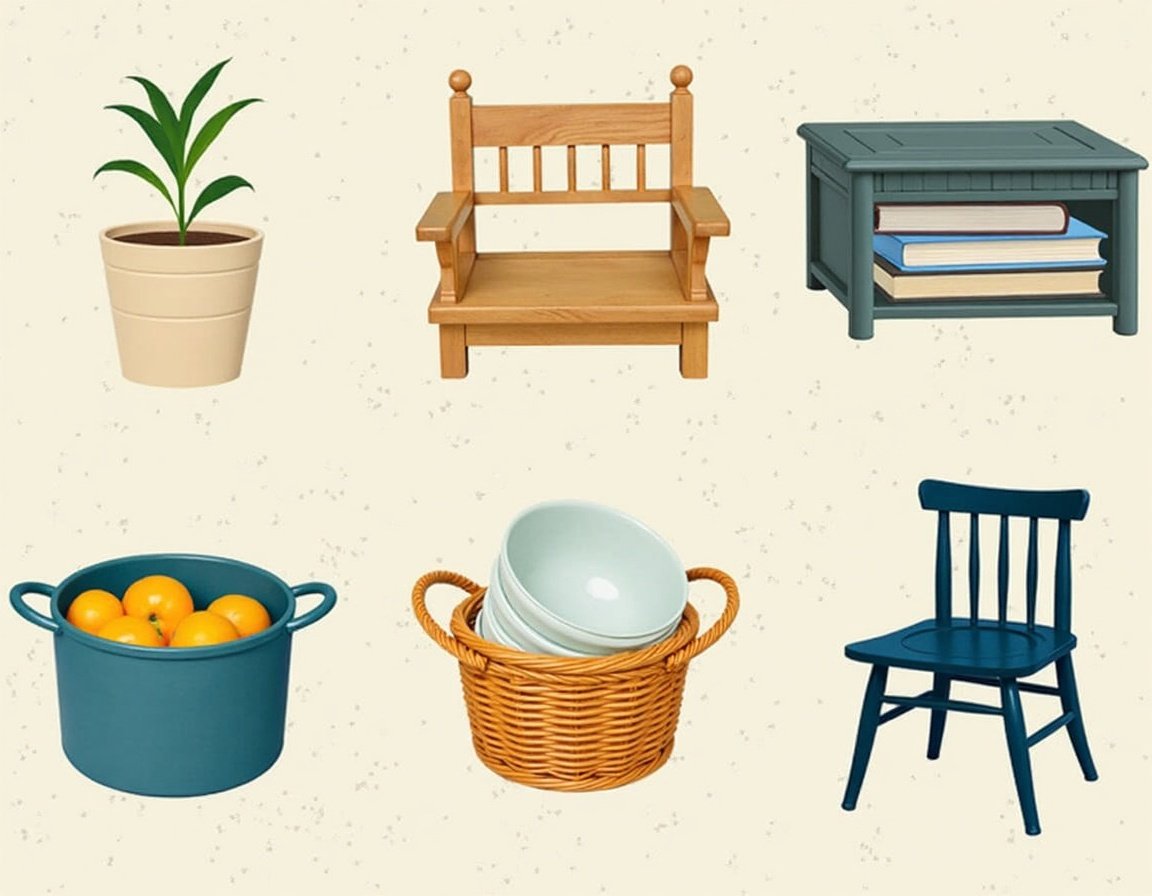
Discover 12 practical storage ideas for small homes and busy households with simple approaches to organizing belongings, saving space and reducing clutter.
Table of Contents
Hidden storage can help frequently used rooms feel more orderly by giving everyday belongings a place out of sight. It works best alongside decluttering not instead of it: concealing items you no longer need can still leave a home crowded. Before choosing a solution, consider the room’s dimensions what your household uses regularly, and how much space each item requires
Keep stored belongings easy to reach when needed, and make sure storage does not interfere with exits, walkways, vents or essential equipment. The ideas below can be adapted to your home and routines.
Start With What Needs Storing
Before choosing a storage spot, gather the belongings you want to put away and sort them by purpose. Consider which items you use daily, occasionally, or rarely, then estimate the space each group needs. Give frequently used essentials convenient access rather than burying them behind seasonal or seldom-used items. Measure both the belongings and the available storage area so the solution can accommodate them without crowding the room.
Keep storage clear of exits, vents and essential household equipmen and make sure it does not block walkways or interfere with everyday routines.
1. Choose Furniture With Built-In Storage
Furniture that serves two purposes can make room for belongings without adding a separate storage unit. A bed with drawers can hold folded clothes or linens while a storage ottoman or a bench with a lift up seat can tuck away blankets, shoes or other household items. Match the compartment size to what you plan to store, and check how the furniture opens: drawers need room to pull out, while lift up lids need space above and may be less convenient for items you use often.
Measure the intended spot and nearby clearances before buying, so doors, drawers, and walkways remain usable. Choose a design that makes everyday essentials easy to reach
2. Use the Space Under the Bed
The area beneath a bed can hold belongings without taking up visible floor space, Before choosing a solution measure the clearance from the floor to the bed frame and check that drawers or containers can slide out without hitting nearby furniture. Low-profile bins work for items you access occasionally while rolling drawers can make heavier belongings easier to retrieve. Bed risers may create more room but use them only if they are suitable for the bed and stable on the floor. Put dust-sensitive belongings or items stored for longer periods in lidded containers.
Keep frequently used items toward the edge, so you can reach them without moving everything else.
3. Add a Storage Headboard
A storage headboard can keep bedtime essentials such as books, glasses,or chargers close by without adding another piece of furniture. Choose a design with open shelves for items you reach for often or cabinets and concealed compartments to keep smaller belongings out of sight. Check the headboard’s dimensions and how it attaches to the bed, then consider whether shelves or doors will fit comfortably in the room.
A storage headboard may replace a bedside table but it should suit the bed and leave enough space to move around and access what you store.
4. Make a Bench Do Double Duty
A bench with a concealed compartment can add useful storage without requiring a separate cabinet. In an entryway it can hold shoes or everyday accessories; a dining bench might store linens, while a window bench can keep books or other household items close by. Before choosing one, measure the space and consider what you plan to store, including its size and weight.
Look for a lid or drawers that are easy to open in the bench’s location and check that the design is suited to the intended load. Keep the contents accessible and avoid placing the bench where it narrows a walkway.
5. Hide Clutter in a Storage Ottoman
A storage ottoman can tuck away blankets, toys or accessories in a living room or bedroom while keeping them nearby. Use it to gather items that tend to collect around a sofa, or bed, and choose a size that fits the room without narrowing walkways. Before buying, check the compartment dimensions and how the lid opens so you can reach the contents easily. Storage capacity does not necessarily mean the ottoman is designed for regular seating.
Check the product guidance before sitting on it especially if you expect it to be used as a seat often.
6. Install a Recessed Wall Cabinet
A recessed wall cabinet uses some of the space within a wall making it a compact option for storing bathroom supplies hallway essentials, or other small belongings. A cabinet with a door can keep items out of sight, while shelves help organize them for easy access. Before choosing a location consider the wall’s depth and how the cabinet will fit without interfering with nearby fixtures or everyday movement. Before cutting into or altering a wall, check for wiring, plumbing, and structural constraints. You may also need permission for the work, particularly in a home with rules governing renovations.
If the wall’s construction or contents are unclea seek an appropriate assessment before proceeding.
7. Use the Space Above Doors
A high shelf or shallow cabinet above a door can make use of space that might otherwise go unused It’s best suited to lightweight items you rarely need, such as seasonal accessories or spare linens Measure the area first and choose a depth that won’t interfere with the door or make the room feel cramped.
Install the shelf or cabinet securely using fittings appropriate for the wall and get help or professional advice if you’re unsure how to mount it safely. Plan how you’ll reach the contents without climbing on unstable furniture.. Keep heavy, fragile or hazardous belongings in a lower, more accessible storage spot.
8. Turn a Staircase Into Storage
The space beneath a staircase can hold belongings that might otherwise take up room elsewhere. Depending on the layout options include pull-out drawers fitted beneath the steps or a cupboard built into an enclosed area under the stairs. Use the compartment for items that suit its size and are easy to retrieve such as household supplies or rarely used belongings.
Any changes must preserve safe stair use and keep the step landing, and access routes clear. Because the staircase and the space beneath it may have structural or other constraints have the proposed modification professionally assessed when needed before work begins.
9. Conceal Storage Behind a Mirror or Artwork
A mirror front cabinet can keep small essentials, such as toiletries or hallway accessories out of sight while making them easy to find. A hinged artwork panel can serve a similar purpose concealing a shallow compartment for lightweight items. Choose a size and location that suit what you plan to store, and check that the mirror or panel can open fully. Leave enough clearance around it so it won’t hit nearby fixtures, furniture or doors, or interfere with circulation through the room.
10. Choose a Storage Cabinet That Blends In
A cabinet with closed doors can keep everyday belongings contained and reduce visible clutter. Choose a shallow profile design for a tighter space or a finish that complements the room so the cabinet feels less visually prominent. Measure the available area, including the clearance needed to open its doors and check that the cabinet’s dimensions suit the items you want to store. Interior shelves can help organize smaller belongings while adjustable shelving may accommodate items of different heights.
Place the cabinet where it won’t narrow a walkway, block an exit or interfere with nearby doors and furniture.
11. Use Decorative Baskets and Lidded Containers
Baskets, boxes and lidded containers can conceal smaller belongings on open shelves or beneath furniture. Use them to gather items by purpose, such as accessories toys, or household supplies, so it’s easier to find what you need. Label opaque containers, especially if they look alike or are stored out of sight.
Choose materials suited to the room and the items being stored and check that containers fit their intended spot without obstructing access or walkways.
12. Create Hidden Storage in a Window Seat
A window seat with a built in compartment can make use of a spot that might otherwise serve only as seating. Store spare linens, books toys, or other belongings that fit comfortably inside, keeping items you reach for often near the top. Before adding storage or filling an existing seat, check how it is constructed and how the compartment opens. Make sure the lid or drawers are easy to access without disrupting the room’s use.
Avoid overloading the seat and keep windows, and heating equipment unobstructed so the storage does not interfere with their operation.
Make Hidden Storage Work for the Household
Before settling on a storage solution use this checklist to make sure it suits your space and routines:
- Measure the items storage area, and clearance needed to open drawers or doors.
- Group belongings by purpose and how often you use them
- Keep daily essentials in storage you can reach easily
- Store heavy objects low where they’re easier to access safely.
- Periodically reassess what’s stored and remove items you no longer need
Hidden storage works best when it fits your routines and makes everyday items easier to put away not harder to find. Look for unused space beneath furniture behind doors and inside existing furniture then choose solutions that keep frequently used items accessible. Start with one clutter prone area, measure before buying and test a simple storage change before expanding it to the rest of your home.










3 thoughts on “12 Practical Storage Ideas for Small Spaces and Busy Households”